Humanity’s Artistic Reflection of Environment
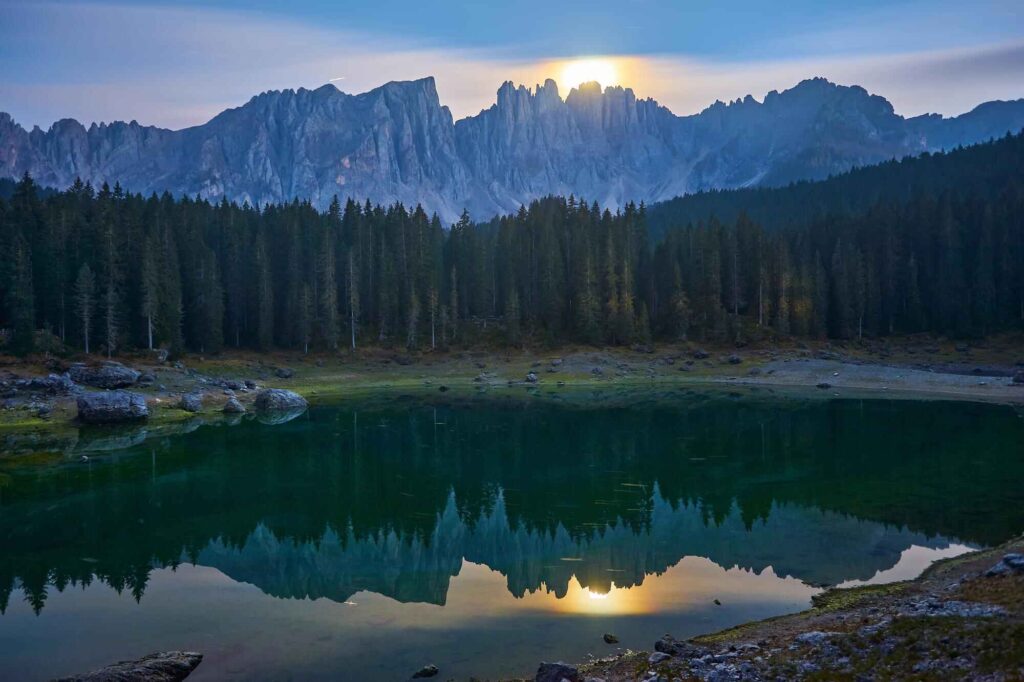
The relationship between humans and their environment has long been a subject of profound exploration through various artistic mediums. Among these, clay stands out as a timeless material that embodies the essence of nature and serves as a conduit for expressing our intrinsic connection to the world around us. This enduring bond is evident in the way artists utilize clay to mirror natural forms, textures, and rhythms, fostering a deeper understanding of our place within the environment.
The Origins of Clay in Human Culture
Historically, clay has played a fundamental role in human civilization, serving as a primary medium for creating functional objects, sculptures, and ceremonial artifacts. Its accessibility and malleability made it an ideal material for early humans to translate their observations of nature into tangible forms. From primitive pottery to intricate sculptures, clay has been a vessel for storytelling, cultural identity, and spiritual expression—each piece echoing elements of the natural world.
Clay as a Reflection of Natural Forms
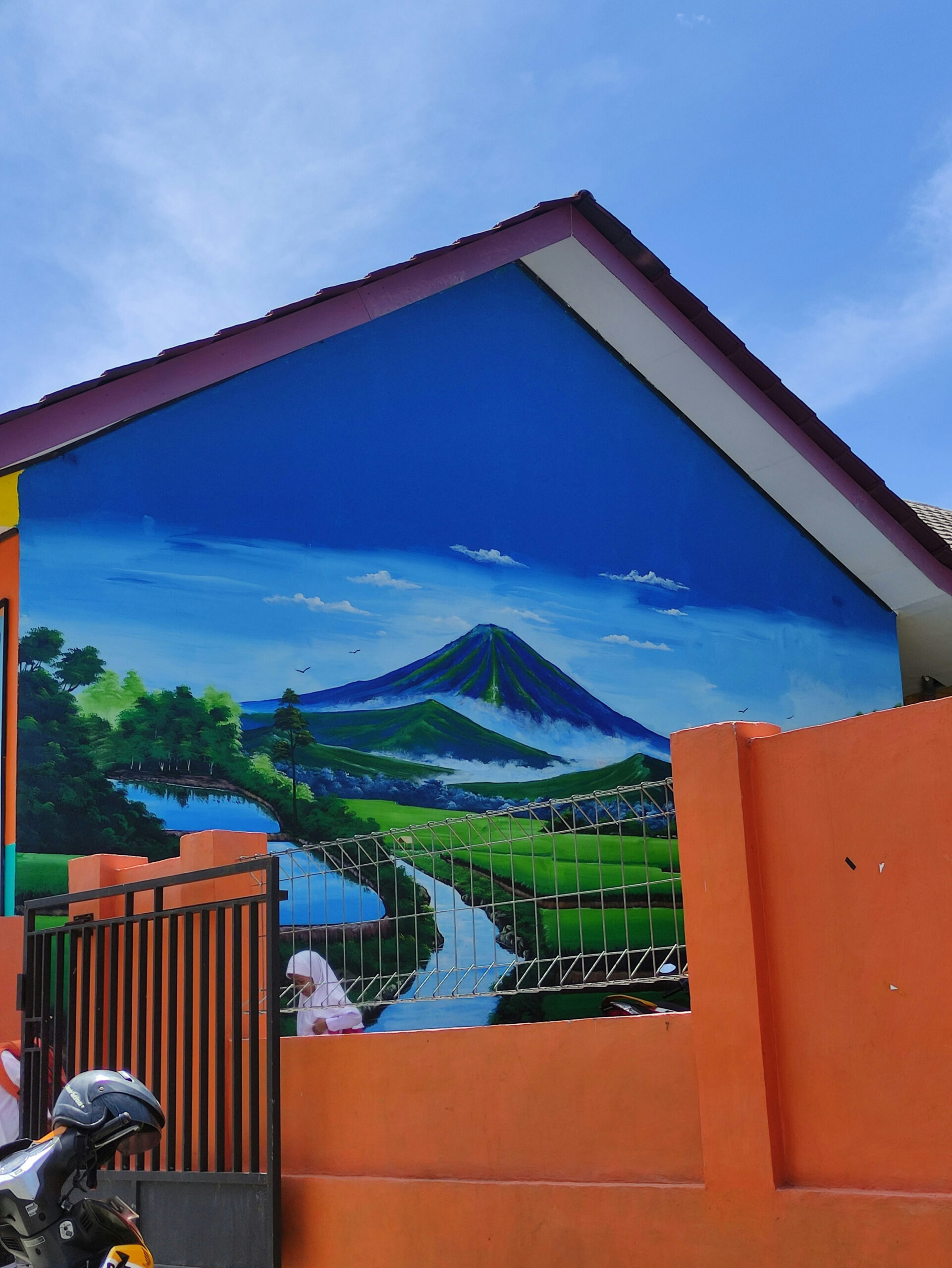
Artists often draw inspiration from the organic shapes and textures found in nature when working with clay. The undulating curves of riverbeds, the rough bark of trees, or the delicate contours of leaves are recreated through sculptural techniques that emphasize tactile qualities. By mimicking these natural patterns, creators forge a visual dialogue that underscores the interconnectedness between human creativity and environmental design.
The Sensory Connection: Touch and Materiality
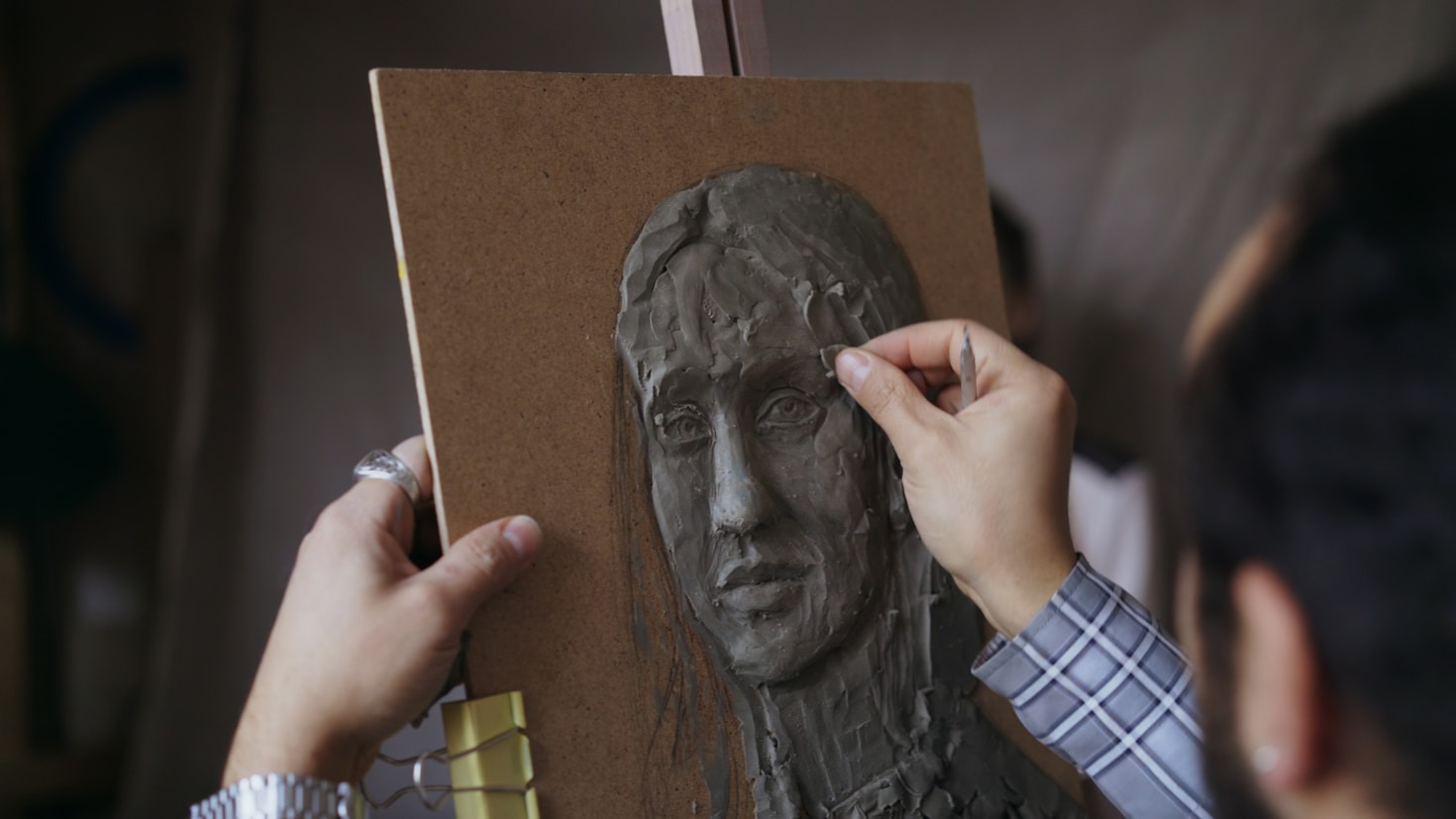
The tactile nature of clay fosters an intimate relationship between artist and material. Handling clay allows for a sensory engagement that mirrors the physical processes inherent in nature—erosion by wind and water, growth cycles, or geological formations. This hands-on interaction cultivates an awareness of natural forces at work and encourages reflection on humanity’s impact on these processes.
Art as Environmental Commentary
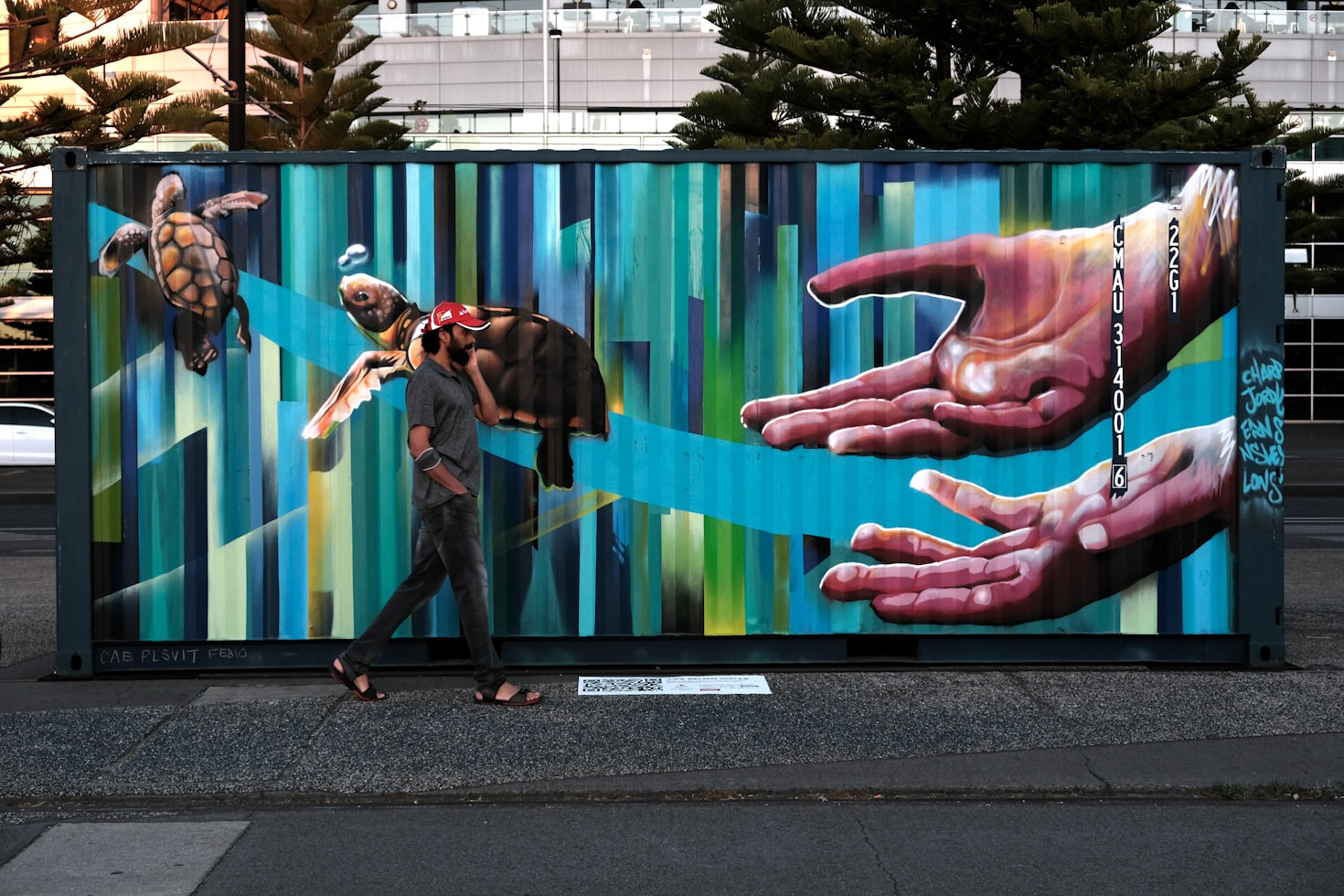
Beyond aesthetic appreciation, clay-based art often serves as commentary on environmental issues. Sculptures depicting landscapes altered by climate change or human activity act as poignant reminders of our responsibility to preserve natural habitats. Through art, creators communicate complex ecological messages that resonate universally, inspiring stewardship and sustainable practices.
Contemporary Practices: Merging Tradition with Innovation
Modern artists continue to explore the interconnection between nature and clay by integrating traditional techniques with innovative approaches. Installations that incorporate natural elements such as stones or plant materials alongside clay sculptures emphasize harmony with the environment. Additionally, eco-friendly practices—using locally sourced clay or biodegradable glazes—highlight a commitment to sustainability within artistic pursuits.
Art as a Bridge to Understanding Our Environment
The enduring relationship between humans and nature finds profound expression through the medium of clay. As both a reflection and a catalyst for environmental awareness, clay art invites us to contemplate our role within the larger ecosystem. Through tactile engagement and creative interpretation, we deepen our appreciation for the natural world—and recognize that our artistic endeavors are inherently intertwined with the health and vitality of our environment.


Leave a Reply
You must be logged in to post a comment.